Red Orange Conversation Pit

Screen Shot 2018-04-28 at 1.32.09 PM
Red Orange Conversation Pit Lounge (DOBKANIZE.COM)

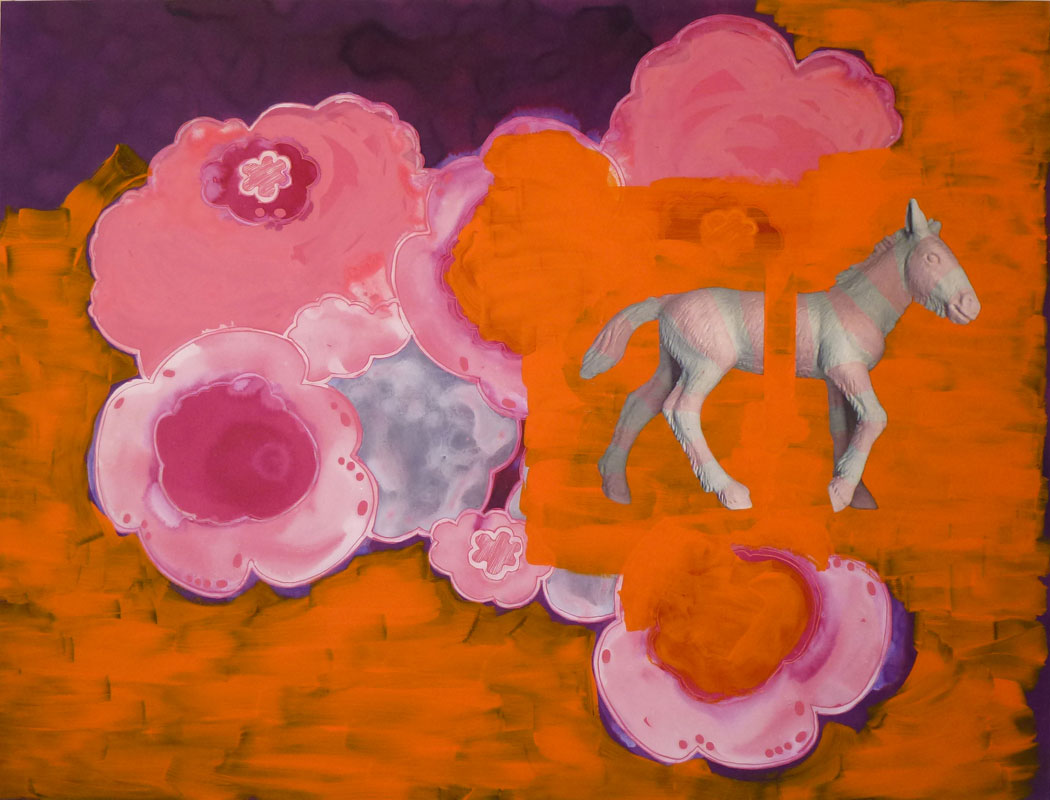
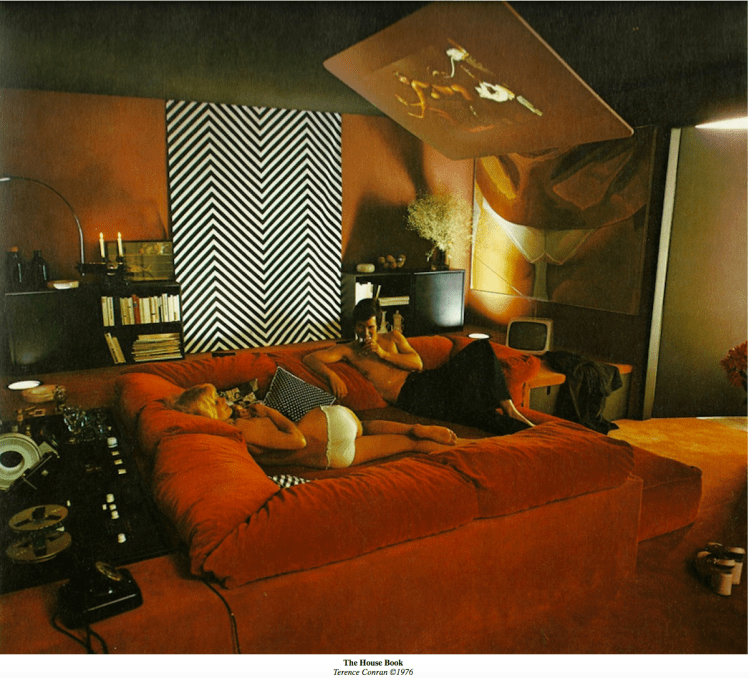
I have titled my new art project Conversation Pit in romantic retro–speculation for the 1960s and 70s architectural phenomena of the conversation pit. Romantic because my knowledge of it is predominantly formed through Hollywood-mediated fiction; there was not a whiff of the conversation pit in my own rural New Zealand 70s era childhood. Retro – Speculation because I speculate lines of causality and influence in my retrospective view from the 21st century.

my retro speculation:

Occupying the small durational and psychological hiatus between the radical thinking of the 60s and the TV years of the 80s the conversation pit was a physiological and psychological acknowledgement of the intrigue, intimacy and downright sexiness of the shared activity of thinking and talking together. It was a particularly 60s/70s notion to embed such a space in the home and the fabric of living. The predictably sanitising 80’s response was to take them out again. I question, was such a reversal purely architectural or was it ideological as well; to restore clear demarcation between the realms of the sensual, the sexual and the intellectual?
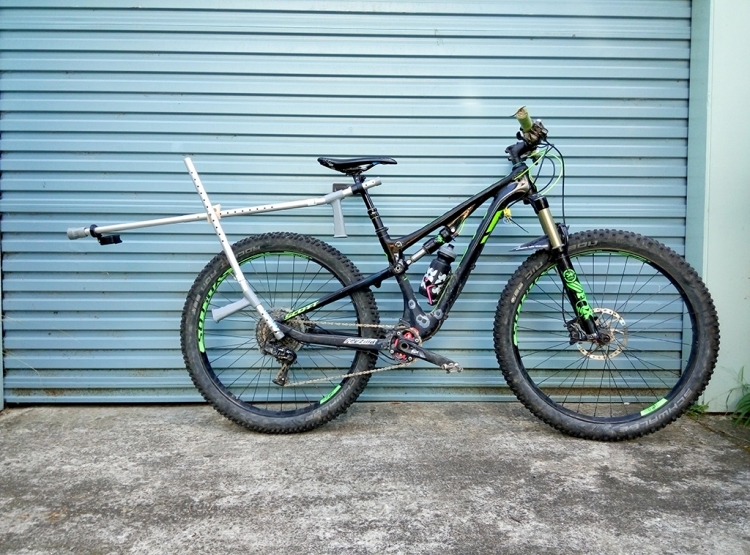
How to Convert a Mountain Bike into a Go-Pro Rig for Filming the Earth You Ride over.

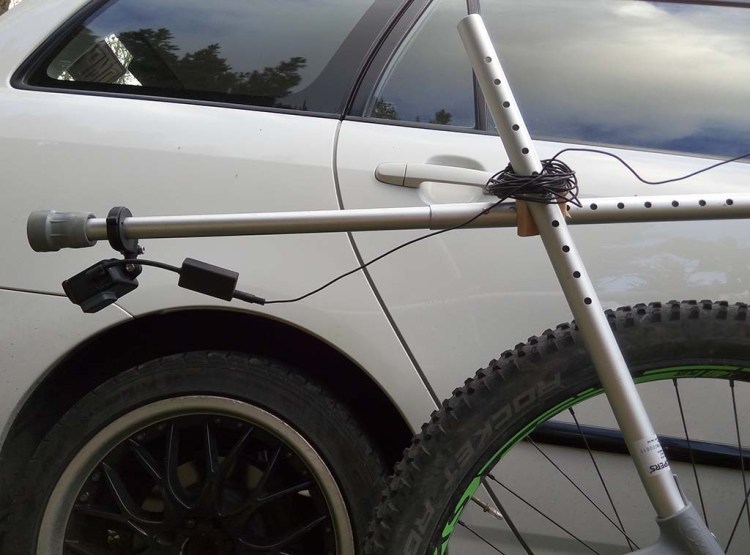
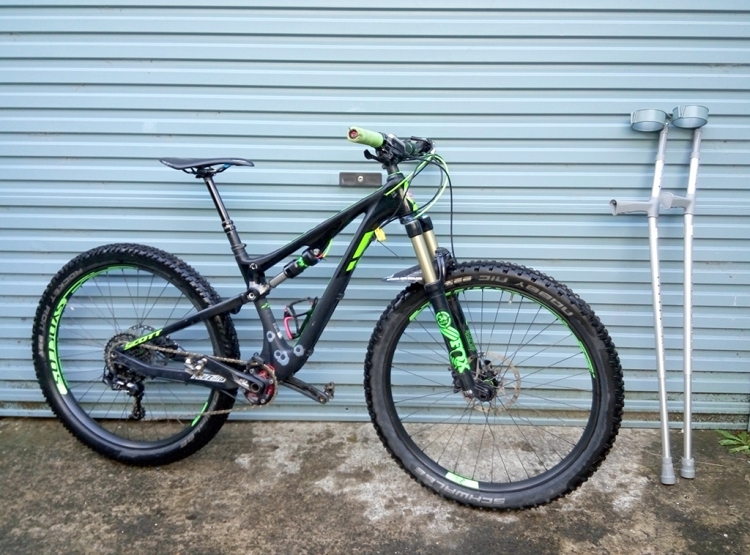
finished set upYou will need: a mountain bike, a go-pro, a pair of crutches, a box of assorted bike accessory parts, a few long bolts and a roll of gaffer tape for on-trail repairs.

Remove the arm brace from the crutch and put them aside, you will be using the main crutch pole for this project.

Select handlebar mounts to fit the crutch and your seat pole, joining the two together. Find a bold long enough to go through the frame of your bike and the crutch, and to go between two crutches. You can now bolt the crutch to the frame utilising existing holes in both. Now just bolt the two crutch poles together matching holes on each of the poles to set up your rink at the desired height. Attach your go-pro at the end of the top crutch, it may now be adjusted to record the ground directly behind your rear wheel.

pre ride

Operating your rig

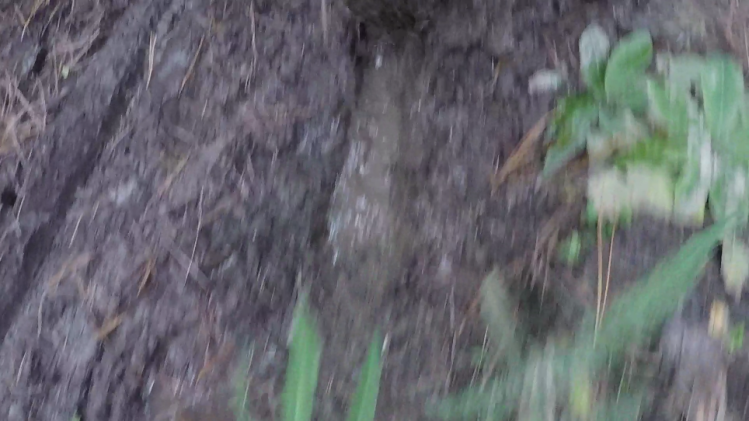
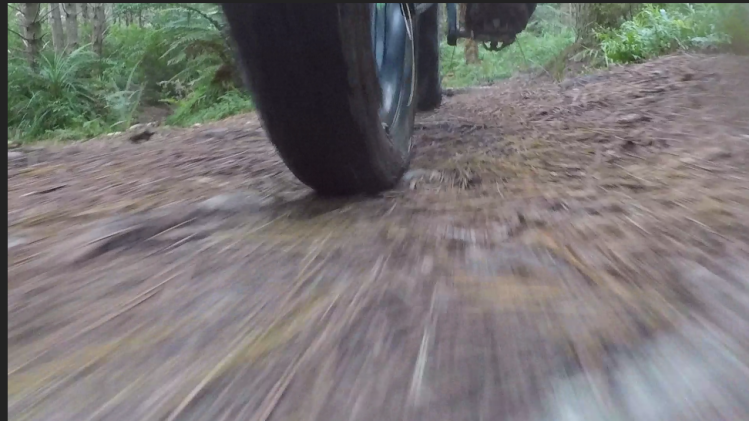
Set your go pro up; you may choose to record the rear wheel as it moves across the earth or you may choose to just record the earth itself. Should you wish to record your own breath as you pedal across the earth you will need to attach an auxiliary microphone, bear in mind that this will require a cable and an adapter. you will get tangled in the cable when you dismount and that the auxiliary microphone will compromise the water resistance of your camera. While recording you will have to ride very, very slowly if you hope to get clear footage. Because the camera is so close to the ground you will tend to get blurred footage even at 80 FPS. Stop and repair your rig with gaffer tape as required. For variation in footage, rather than repairing the rig allow it to drag behind you as you ride across the earth.


Later you can clean your bike, remove the rig and reassembled the crutches

finished

The results:

As mentioned above, you have to go very slowly…. mostly I did not go slowly enough.

Screen Shot 2018-04-10 at 8.47.37 PM

Screen Shot 2018-04-10 at 8.23.43 PM

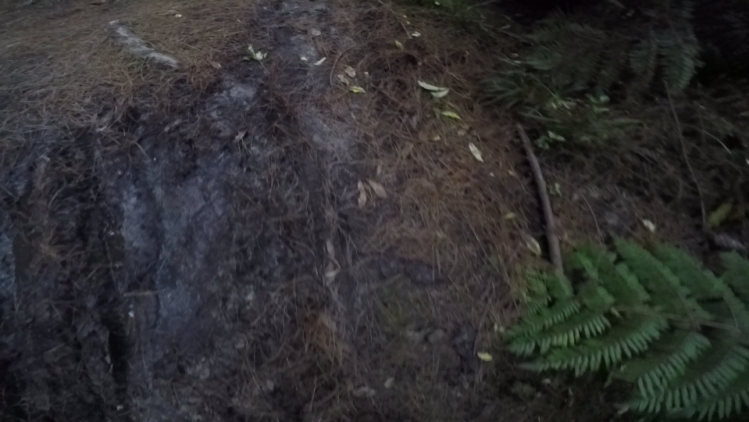
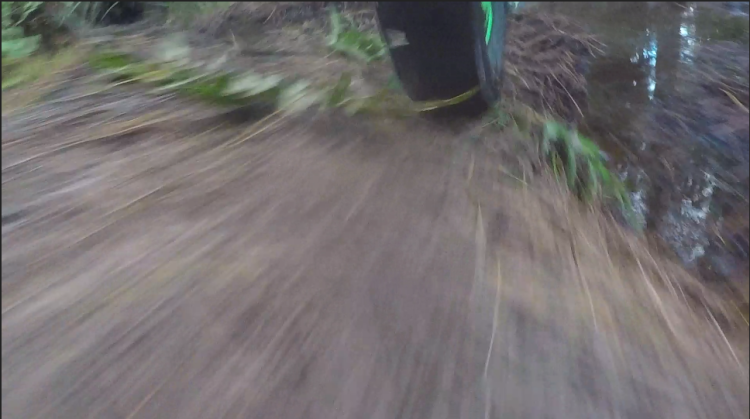
I also mentioned variation in footage due to system failure: in this of footage my seat-pole attachment failed causing the rig to drag behind me like a sled. it is the one section that does exactly what I was looking for, it traces a line through the skin of the soil.

Screen Shot 2018-04-10 at 8.20.52 PMScreen Shot 2018-04-10 at 8.20.21 PM

Golden American Saddlebred

DSC_0069

I got this horse in a mixed set of plastic animals at a $2 shop. He stands 14cm high and is slightly unbalenced, requiring a firm bend to his rear legs to get him to balence. He has become something of a muse for me, summing up the blend of fantasy, romance, deceit,  history and genetic manipulation that forms the basis of our relationship with the natural world.

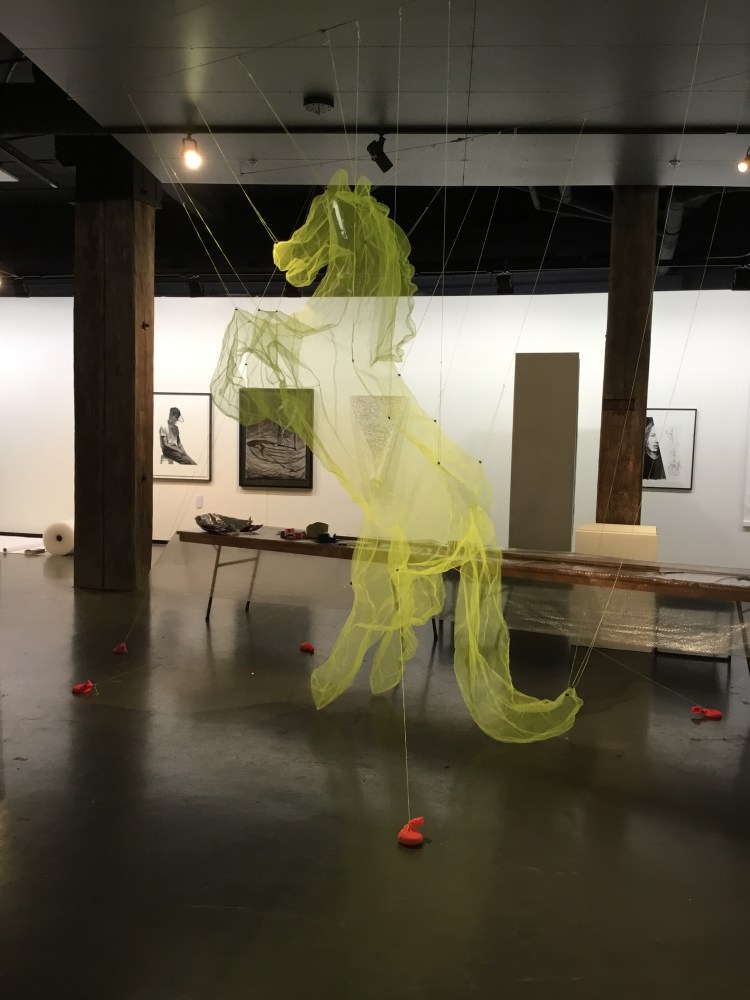
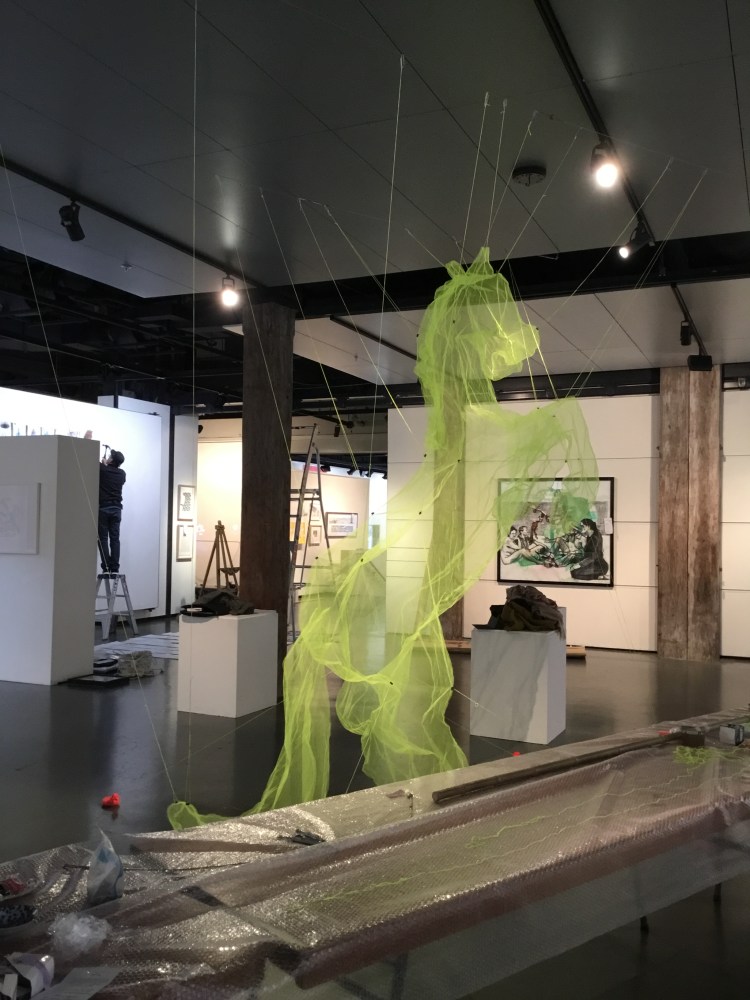
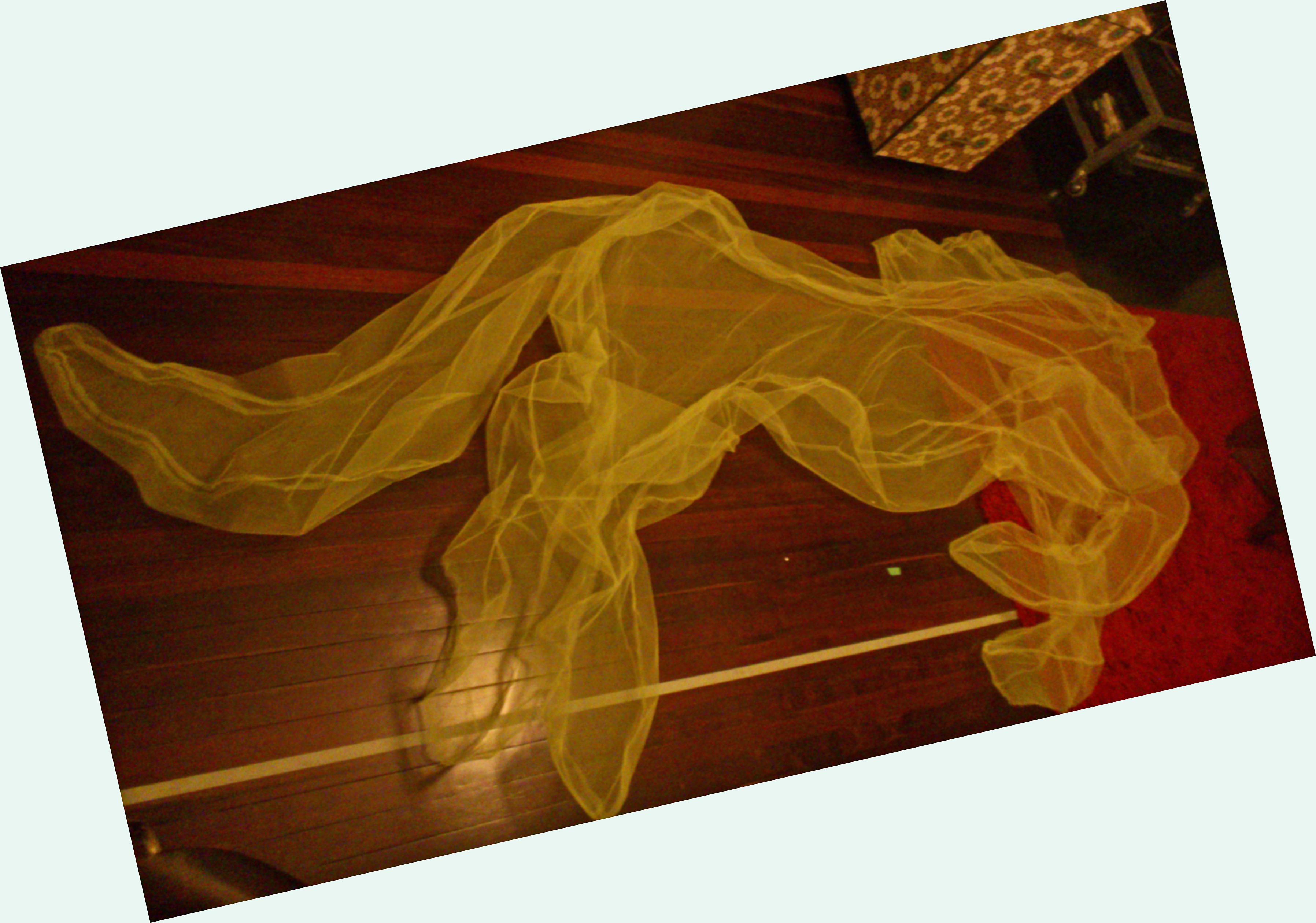
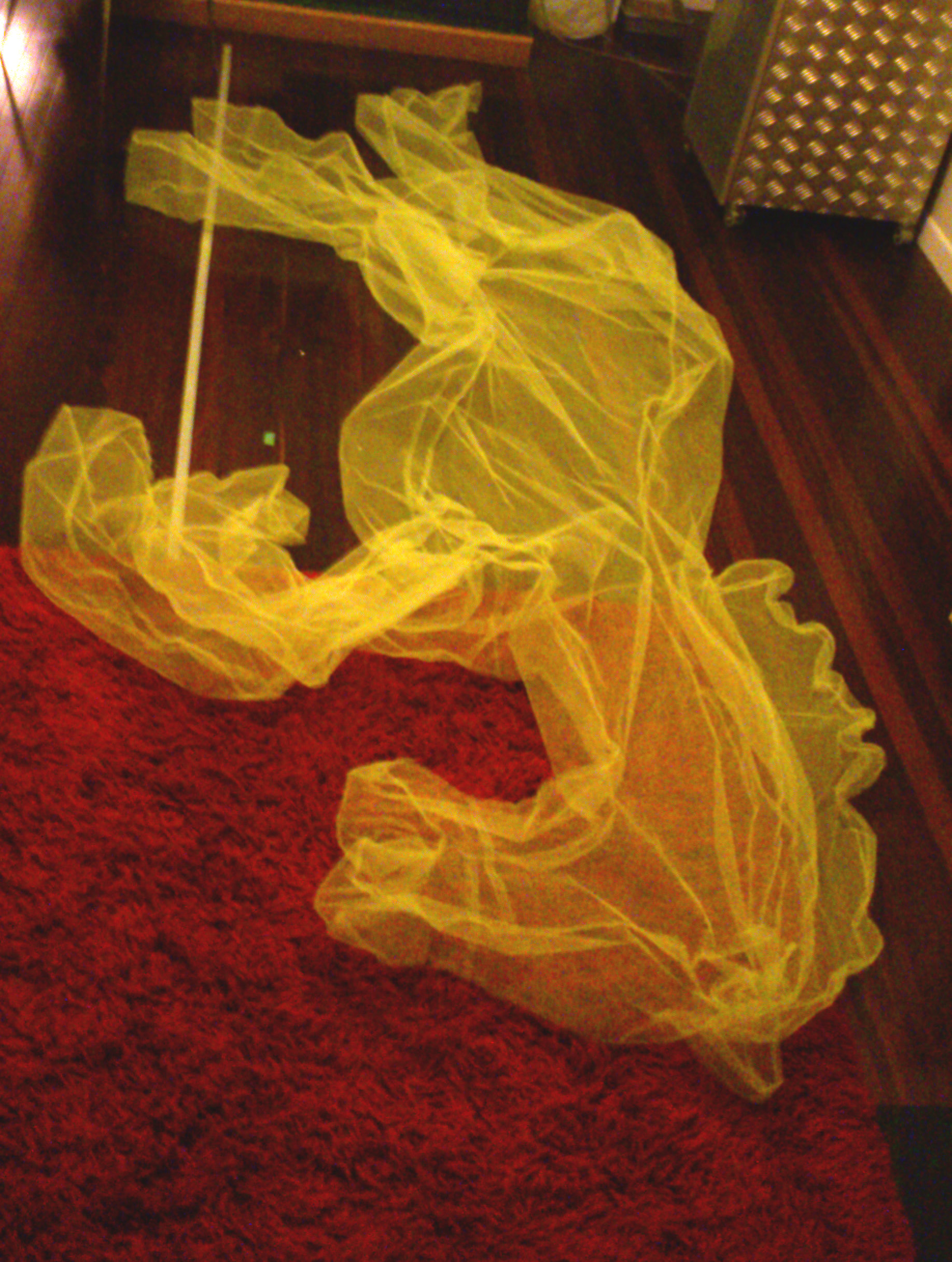
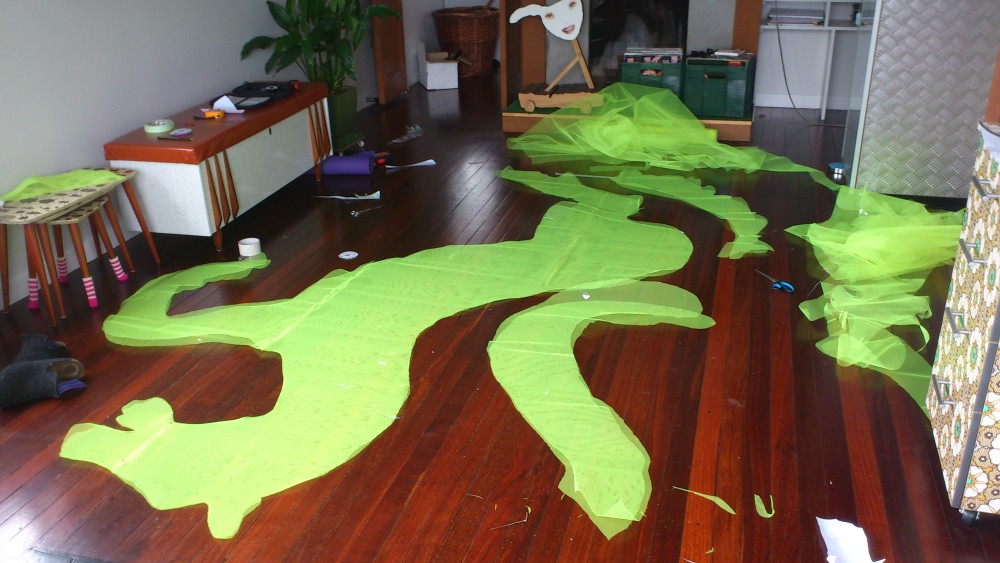
The latest incarnation of my muse, curently in process, is to be a lifesized version sewed from tulle. To understand my horse more fully, and to find out what size to make him, I decided to seek out his bloodline. after extensive research i have concluded that he is a Golden American Saddlebred. Standing upright he would be 16 hands (1602mm). rearing up he is 3m in height, a 21:1 scale from my model.


The Oklahoma State University Breeds of Livestock, Department of Animal Science, describes the Golden American Saddlebred thus:

What does one look for in a Golden American Saddlebred? First and foremost, is conformation. A beautifully shaped, well-proportioned head is a must. The ears are small, alert, and placed at the top of the head. The neck is long, and well-arched, with a smooth clean throatlatch. The eye is bold, bright, and intelligent. Well-sloped shoulders and sharp withers well above the height of the hips is characteristic. The croup is long and level with the tail coming out high, and the hind quarters are well muscled to the hocks. The back is short and strong. The long legs are straight with long sloping pasterns that are so necessary for an easy, well cushioned ride. The shallow, full-sprung rib cage make the barrel of the Saddlebred more rounded than in other breeds. Height is generally from 15 to 17 hands and weight from 1000 to 1200 pounds.

The complete picture of Golden Saddlebred should be one of refinement, smoothness and strength. Coloring can vary from cream to copper and all shades in between. However, the ideal color is that of the untarnished gold coin. Eyes must be brown or dark. White markings on the face and legs are allowyyed, but no spots. Mane and tail should be white and purity is desirable.

http://www.ansi.okstate.edu/breeds/horses/goldenamericansaddlebred

Thanks for making Art Ache great: we raised $1134.00 for the Red Cross Nepal Earthquke Fund!

My Art Ache exhibtion at Golden Dawn right after set up, 4.30 pm.

A big THANK YOU to everyone who supported my Art Ache for Nepal night. The event was great fun and it was lovely to be supported by some many friends and family members. It was a pleasure to have the opportunity to see some of my favorite drawings go to some of my favorite people, and at the same time make contibution to help people who really need it.

it’s an Art Ache…… (sorry it had to be sung)

tomorrow I am taking part in the very cool project that is Art Ache.

I am using this as an opportunity to share a number of works that should be on people’s walls, not in my art draws and at the same time to raise funds for the Red Cross Nepal Earthquake fund. 

Art Ache is the brain-child of Aimée Ralfini and is in its second year. Every two months  Aimée curates a group of emerging and established artist for a one night art-sale at the Golden Dawn on Ponsonby Road. The aims of the project are twofold – to encourage a new generation of art collectors and to give artists a venue for sharing works. For emerging artists it provides a much needed showcase and for established artists it provides a venue for selling works that may not exactly fit their dealer gallery mandate. At this point I would like to say a big THANK YOU to Deborah White of Whitespace for supporting me in this event.

I will have works priced from $40 so there will be something for everyone!

here are some examples of work that will be available:

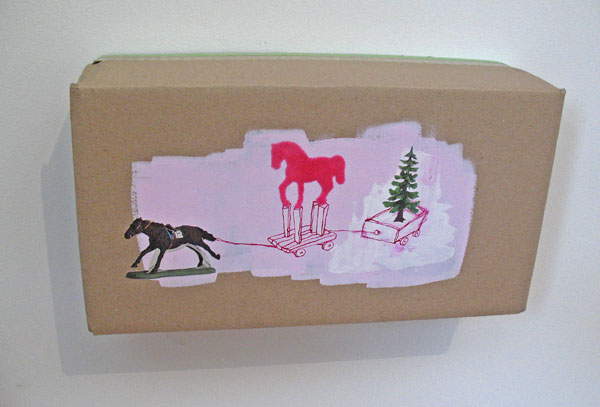
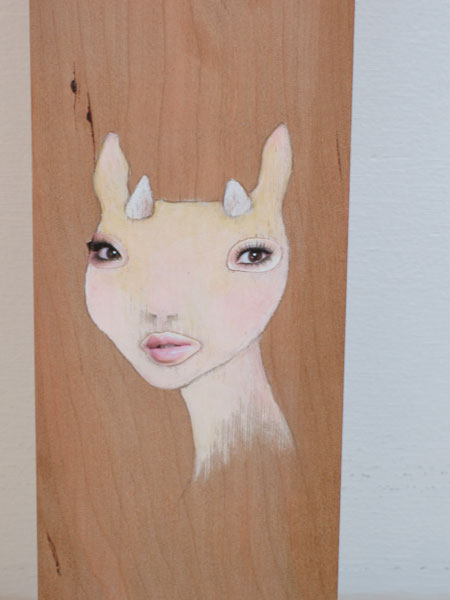
bluegrey-foalbad-drawing-5bad-drawing-3race-horsewhite-bunnypink-with-hornsblue-with-hornsi

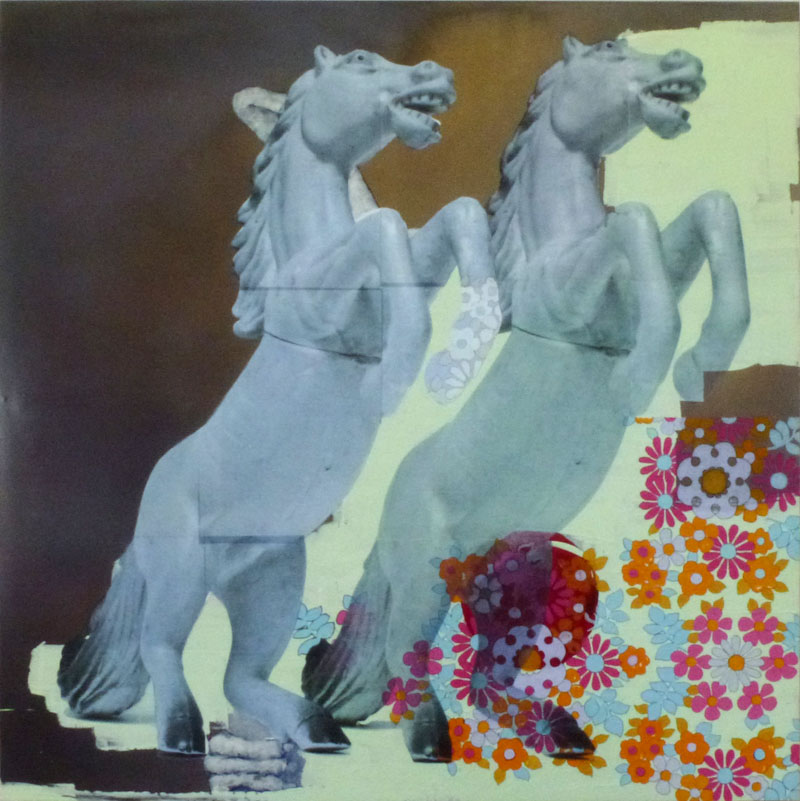
Avoiding Mastery: the paintings

Avoiding Mastery: Whitespace Contemporary Art 2014 

Mastery, according to the Webster dictionary is knowledge and skill that allows you to do, use, or understand something very well and a state of having attained complete control of something.

My conundrum as an artist is that, whilst ‘understanding something very well’ might seem an appealing and mature virtue, its close association with having ‘complete control of something’ raises a warning flag that the cul de sac of orthodoxy lies in wait.

In art, to understand something so well as to control it runs the risk of remaking and refining something that you already know, and that your audience also knows and recognises; a closed circuit of mastery and applause. Less prone to success, but arguably more interesting is the strategy of avoiding the possibility of control, deliberately pursuing unknowing, cultivating areas of non-skill and embracing unpopular and little understood vernaculars as a vehicle for art making.

To put it more simply, maybe I think of art as a half wild pony, rather than the dressage mount. Which is not to say that there is anything wrong with dressage; I just prefer a little more excitement.


Dreaming of Iccarus, 2013 900 x1500mm acrylic on board
Dreaming of Iccarus, 2013
900 x1500mm
acrylic on board
True Romance 900 x 900mm acrylic and laser transfer on board
True Romance
900 x 900mm
acrylic and laser transfer on board
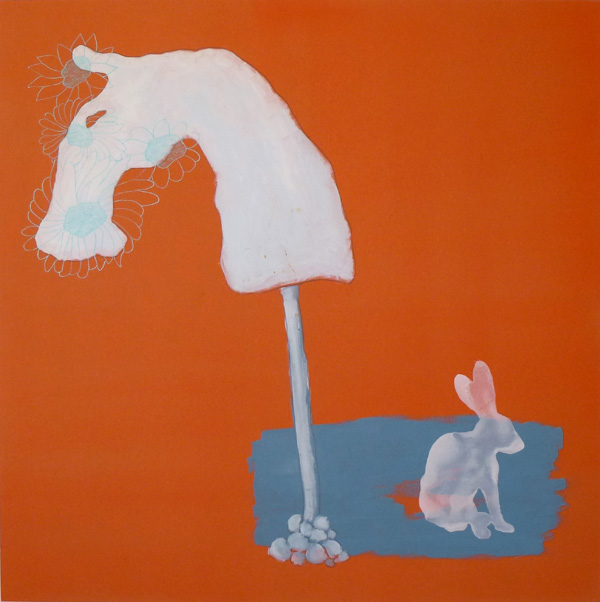
The Watcher II 900 x 900mm acrylic on board
The Watcher II
900 x 900mm
acrylic on board
Pink Pop Remix 900 x1500mm acrylic and laser transfer on board
Pink Pop Remix
900 x1500mm
acrylic and laser transfer on board
L.O.V.E. 2013 900 x 900mm acrylic on board
L.O.V.E. 2013
900 x 900mm
acrylic on board

Cupboard @ Cosset

My local cafe makes excellent coffee. They also operate as an exhibition space with the pragmatic title Paper/Cupboard. the wall space is dedicated to ‘paper’, while ‘cupboard’ is a small glass-fronted cupboard in the art deco cabinet that serves as the cafe counter. I have a Cupboard installation opening TOMORROW!


Cosset
Cosset

a sneak preview of my Cupboard installation:

All The Pretty Horses installation detail


Paper Cupboard has an eclectic and interesting program, which can be viewed on https://www.facebook.com/papercupboard

if you want to go there the address is Cosset, 1087 New North Rd, Mt Albert, Auckland.